
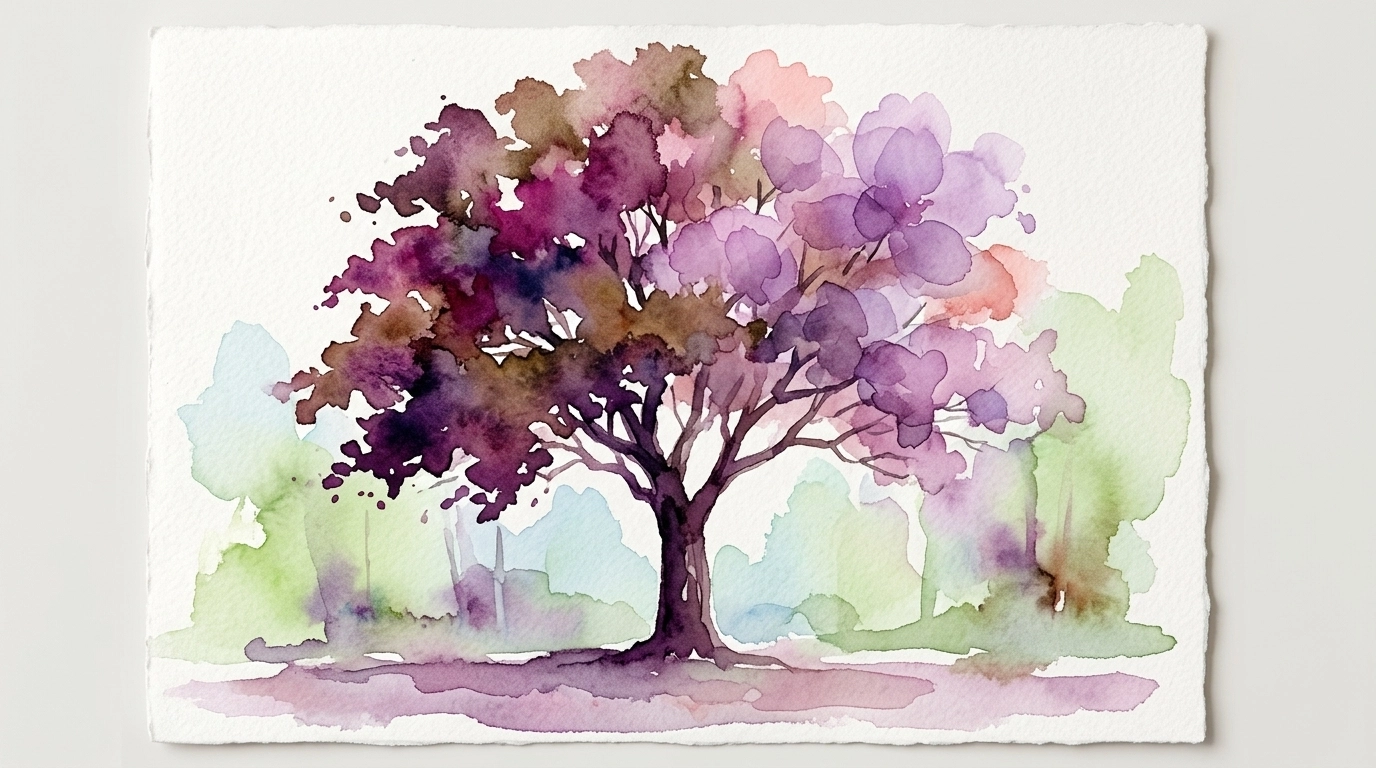
When you look at a Pau d’Arco tree (Tabebuia impetiginosa), you’re seeing one of the most resilient species in the Amazon. But for those of us interested in natural wellness, the real value isn’t in the canopy; it’s hidden within the inner bark. For decades, researchers have been trying to pinpoint exactly why this “divine tree” has such a massive impact on the immune system, inflammation, and cellular health.
The answer lies in a group of organic compounds known as quinoids: specifically, the naphthoquinones lapachol and beta-lapachone. While the names might sound like something out of a high school chemistry lab, understanding how these two molecules work is the key to knowing why Pau d’Arco tea (properly prepared as a decoction) is so effective.
The Chemical Profile of the Inner Bark
The inner bark of the Pau d’Arco tree is a complex matrix of over 100 active chemicals, including flavonoids, benzenoids, and anthraquinones. However, the heavy hitters are the naphthoquinones. In the 1960s, the National Cancer Institute (NCI) took a keen interest in these compounds because of their significant anti-tumorous effects observed in animal studies.
The primary discovery was that lapachol and beta-lapachone are biologically active at a cellular level. They aren’t just “vitamins”: they are active agents that interfere with how harmful bacteria, fungi, and even certain mutated cells replicate. According to research compiled by Rain-Tree Nutrition, a high-quality Pau d’Arco bark usually contains between 2% and 7% lapachol, which is where much of its therapeutic power originates.
Lapachol: The Broad-Spectrum Defender
Lapachol was the first of the two compounds to gain international scientific fame. It’s a yellow-orange crystalline substance that researchers have categorized as having anti-abscess, antiviral, and bactericidal properties.
What makes lapachol particularly interesting is its ability to inhibit the growth of various pathogens. In a study published in the journal Molecules (2020), lapachol demonstrated significant activity against common “bad guys” like Staphylococcus aureus (MRSA) and Helicobacter pylori, the bacteria often responsible for stomach ulcers.
From a technical standpoint, lapachol works by disrupting the cellular respiration of these microorganisms. It essentially “suffocates” the harmful bacteria without damaging the surrounding healthy tissue. This is why Pau d’Arco has been a staple in traditional medicine for treating everything from skin infections to internal parasites.
Beta-Lapachone: The Master of Cellular Selectivity
While lapachol gets a lot of the credit, beta-lapachone is actually the compound that has the scientific community buzzing today. If lapachol is the broad-spectrum defender, beta-lapachone is the precision-guided tool.
One of the most remarkable things about beta-lapachone is its “selectivity.” Most aggressive treatments in modern medicine struggle to tell the difference between a healthy cell and a damaged one. Beta-lapachone, however, appears to target cells that have high levels of an enzyme called NQO1 (NAD(P)H: quinone oxidoreductase 1).
Research published in the European Journal of Medicinal Chemistry (2021) highlights that beta-lapachone can induce “programmed cell death” (apoptosis) in compromised cells while leaving normal, healthy cells alone. This occurs because the compound creates a massive “oxidative burst” inside the target cell, causing its DNA to break down. This mechanism is currently being studied for its potential role in managing proliferative conditions and supporting long-term cellular health.
Synergistic Power: Why the Whole Bark Matters
There’s an old debate in the herbal world: is it better to take a concentrated “pill” of one chemical, or use the whole plant? In the case of Pau d’Arco, the whole bark wins every time.
In the 1970s, the NCI attempted to use isolated lapachol as a treatment. However, they found that at the very high doses required to work in isolation, patients experienced side effects like nausea and a decrease in Vitamin K activity (which affects blood clotting).
The fascinating part? When you use the whole inner bark as a tea or tincture, those side effects are virtually non-existent. The other 98+ compounds in the bark: like the various flavonoids and other quinones: act as buffers. For instance, the whole plant naturally contains components that support Vitamin K levels, essentially “canceling out” the potential downside of isolated lapachol. This synergy is a perfect example of why traditional methods, like those found on taheebo-tea.com, prioritize the whole-bark decoction over synthetic isolates.
Antimicrobial and Antifungal Activity
Beyond the big headlines of cellular health, the duo of lapachol and beta-lapachone provides incredible support against common infections. If you’ve ever struggled with a persistent yeast overgrowth or Candida, Pau d’Arco is often the first natural remedy suggested.
Research in the Journal of Ethnopharmacology has shown that these compounds can cut through biofilms. A biofilm is a slimy, protective layer that bacteria and fungi (like Candida) use to hide from your immune system. By breaking down these biofilms, lapachol and beta-lapachone allow your body’s natural defenses to finally reach and eliminate the infection.
Key antimicrobial benefits include:
- Antifungal: Highly effective against Candida albicans and other yeast strains.
- Antiviral: Studied for its effects against influenza and herpes viruses by inhibiting the enzymes the viruses need to replicate.
- Antibacterial: Acts as a natural antibiotic against Gram-positive bacteria.
How to Properly Extract These Compounds
This is where most people get it wrong. You cannot just steep Pau d’Arco in a tea bag for three minutes and expect to get these powerful naphthoquinones. Lapachol and beta-lapachone are not very water-soluble: they need heat and time to release from the woody fibers of the bark.
To get the full technical benefits of these compounds, you must use the decoction method:
- Measure: Use 1 to 2 tablespoons of high-quality shredded inner bark per quart of water. (Check our guide on Why the Inner Bark is Important for more on sourcing).
- Simmer: Place the bark in a pot with distilled or filtered water. Bring it to a boil, then immediately turn it down to a low simmer.
- Timing: Let it simmer for 8 to 12 minutes. This “cooks” the active compounds out of the wood and into the water.
- Cool & Strain: Let the tea sit for another few minutes as it cools, then strain out the bark.
By simmering the bark, you’re creating a much more potent solution than a simple steep could ever provide.
Precautions and Responsible Use
While Pau d’Arco is a natural powerhouse, we always advocate for a responsible, informed approach to health. Because lapachol and beta-lapachone are so biologically active, there are a few things you should keep in mind:
- Pregnancy: Because of the way these compounds interact with cell replication, Pau d’Arco is not recommended for pregnant or nursing women.
- Blood Thinning: At very high doses, lapachol can have a mild anticoagulant effect. If you are on blood-thinning medication or scheduled for surgery, consult your doctor before using it daily.
- Dosage: Start slow. Large amounts of a strong decoction can occasionally cause nausea or gastrointestinal upset as your body begins to detoxify.
Taking Charge of Your Health
The research into lapachol and beta-lapachone confirms what indigenous cultures have known for centuries: Pau d’Arco is a heavy-duty botanical tool. Whether you’re looking to support your immune system during flu season, manage chronic inflammation, or simply maintain your cellular health, these two compounds provide a scientifically-backed foundation for your wellness routine.
We believe that when you combine the wisdom of tradition with the precision of modern science, you’re in the best position to live healthier. Start by sourcing quality bark, master the decoction, and listen to your body. You’ve got the power of the rainforest on your side.
For more deep dives into the science of this amazing tree, visit our Pau d’Arco research archive.
Scientific References
- Scientific Reports (2017): β-lapachone suppresses tumour progression by inhibiting EMT in NQO1-positive cancers
- Molecules (2020): Lapachol and its derivatives as potential antimicrobial agents
- PubMed (2007): An NQO1- and PARP-1-mediated cell death pathway induced by beta-lapachone
- OSTI.GOV (2014): Mechanistic studies of NQO1-mediated redox activation of beta-lapachone
- PubMed (2009): Synthesis and evaluation of bioactive naphthoquinones from Tabebuia avellanedae